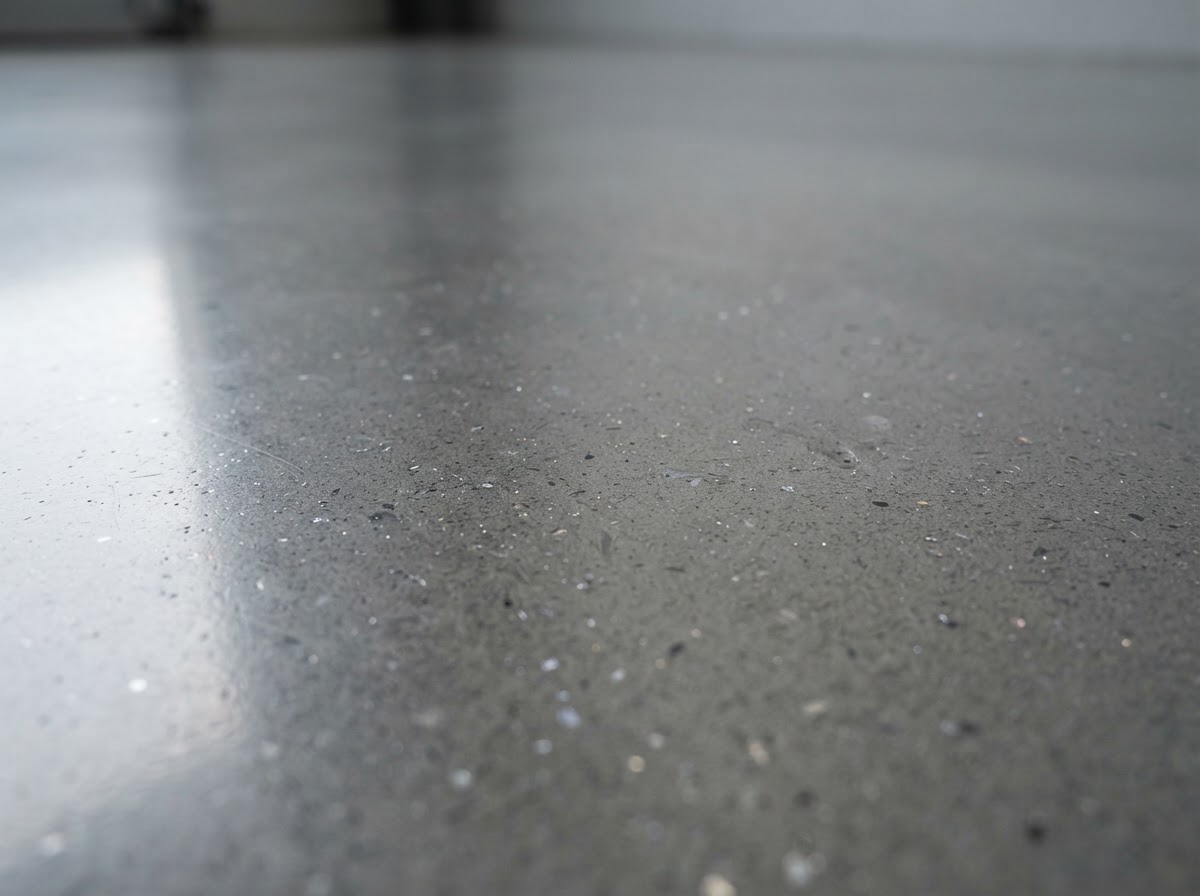
Cleanrooms & Laboratories in Columbus, Ohio
Cleanrooms & Laboratories Epoxy Flooring in Columbus, Ohio
Seamless, low-VOC floors for cleanrooms and labs — no grout lines, easy to sanitize, chemical-resistant.
The floor problems cleanrooms & laboratories owners face
Grout lines and cracks trap particles and bacteria, failing cleanroom standards.
Chemical spills from solvents and reagents etch and stain the floor.
Static buildup damages sensitive instruments and electronics.
Standard coatings off-gas VOCs that contaminate the controlled environment.
Harsh disinfectants and cleaners wear through ordinary floors.
Dust from bare concrete contaminates samples and equipment.
The system we recommend and why
Seamless low-VOC epoxy with ESD and cove base options
Cleanrooms and labs need a seamless floor with no grout lines to trap particles, low VOCs to protect the environment, and resistance to the reagents and disinfectants in use. An ESD topcoat protects sensitive instruments where static is a risk.
How it goes down
- 1
Mechanically prepare the slab to a clean, sound surface.
- 2
Apply a low-VOC epoxy primer keyed to the slab.
- 3
Apply a seamless high-build epoxy body coat with no grout lines.
- 4
Form integral cove base up the walls for a seamless, sanitizable transition.
- 5
Add an ESD (static-dissipative) topcoat where instruments need protection.
- 6
Finish with a chemical-resistant topcoat rated for lab reagents and disinfectants.
Cure time
Body coat cures overnight; topcoat is walk-ready in 12-24 hours.
Return to service
Light traffic in 24 hours, full lab use in 48 hours.
What to ask any cleanrooms & laboratories floor installer
Use this checklist on every quote. The right installer answers these clearly; the wrong ones dodge them.
Is your system low-VOC and safe for a controlled environment?
Do you form integral cove base for a seamless, sanitizable transition?
Do you offer ESD / static-dissipative systems for instruments?
Is the topcoat resistant to our specific reagents and disinfectants?
How do you keep dust and contamination down during the install?
Can you work around our lab and cleanroom schedule?
When epoxy is the wrong choice
A standard epoxy with grout lines or high VOCs is the wrong choice in a cleanroom or lab. It will trap particles, off-gas into the environment, and fail to meet cleanroom standards.
The better alternative: A seamless low-VOC epoxy with cove base and, where needed, an ESD topcoat is the correct system. For areas with aggressive acids or steam sterilization, urethane cement is the better choice.
How we keep your operation running
Labs and cleanrooms often cannot shut down for long, so we work in sections and schedule around research and production cycles. We control dust and contamination during the install with containment and negative pressure where needed. Low-VOC systems keep the environment safe during cure. We coordinate with your facilities team so the floor is ready before a cycle restarts.
What it costs in Columbus
Cleanroom and lab floors in Columbus typically run $8 to $13 per square foot installed. Low-VOC systems, cove base, and ESD topcoats add cost. These are estimates — your real price depends on the cleanroom class, the system, and the prep.
What moves the price
Square footage and cleanroom class requirements.
Slab condition — cracks, old coatings, and contamination.
System type — low-VOC and ESD systems cost more than standard epoxy.
Schedule — nights, weekends, or tight shutdown windows.
These are estimates only. A real price comes after a free on-site walk-through.
Cleanrooms & Laboratories epoxy flooring — your questions
Related industries
Healthcare & Medical
Seamless, sanitizable floors for medical facilities
Learn more →Manufacturing Plants
Chemical and impact resistance for 24/7 production
Learn more →Food & Beverage Processing
Washdown-ready floors that meet food safety standards
Learn more →Related floor systems
ESD / Static-Control Flooring
Static-dissipative epoxy for electronics manufacturing and server rooms. Protects equipment and people from static discharge.
Learn more →Chemical-Resistant Epoxy Coatings
Chemical-resistant epoxy for plants, labs, and repair bays. Withstands acids, solvents, oils, and harsh cleaning.
Learn more →Urethane Cement Flooring
Thermal-shock and chemical-resistant urethane cement for food plants, kitchens, and wet areas. Meets USDA/FDA guidelines.
Learn more →